
Electroconvulsive Therapy
Electroconvulsive therapy (ECT) is one of the most effective treatments available for severe depression, particularly when medications and psychotherapy have not provided relief.
Modern ECT is a well-established, FDA-regulated medical procedure performed under anesthesia with careful monitoring. It has a strong safety profile and remains an essential, evidence-based treatment in contemporary psychiatric care.

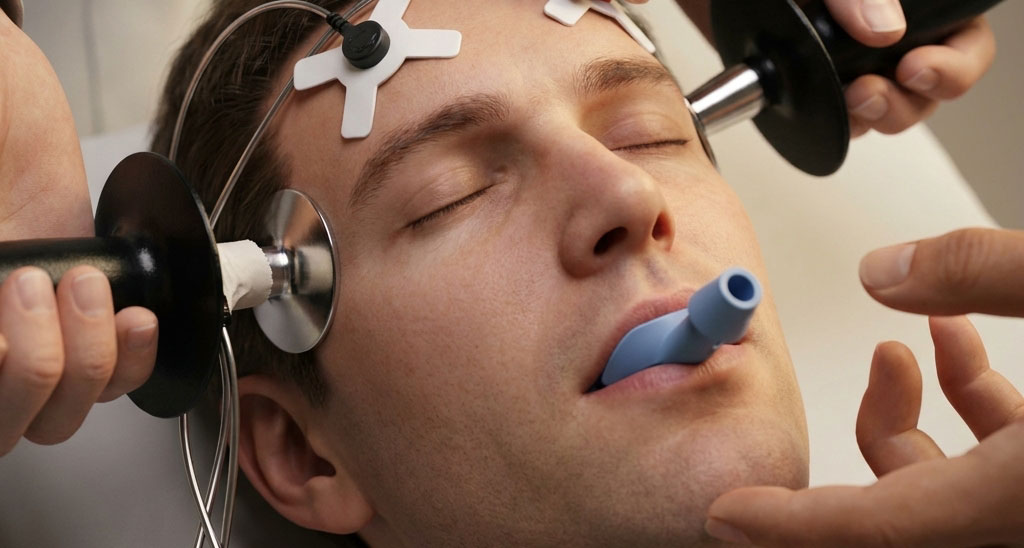

What is Electroconvulsive Therapy (ECT)?
ECT is a proven, safe, and highly-effective procedure often used to treatment unipolar and bipolar depression, treatment resistant depression, mania, and schizophrenia, among other mental health conditions.
Under general anesthesia, patients are administered a small, pain-free, electric current to stimulate the brain, resulting in a change in brain chemistry. That change can greatly improve symptoms in those for whom medications and/or psychotherapy have not proven effective.
According to the International Society for ECT and Neurostimulation (ISEN), the schedule of continuation/maintenance ECT can vary from one treatment a week to one treatment every three months, depending on the patient’s severity of illness and risk for relapse. Continuation ECT usually starts with weekly treatments, since risk of relapse is greatest early on.
The treatment interval may be gradually lengthened if the patient remains well. If a patient relapses during continuation/ maintenance, another series may be advised. The goal of any ECT service is to provide the fewest treatments necessary to keep the patient well. Modern ECT has been extensively researched and, when delivered by experienced medical
professionals in a controlled environment, successfully provides both short and longterm symptom reduction for thousands of patients. To learn more visit isen-ect.org
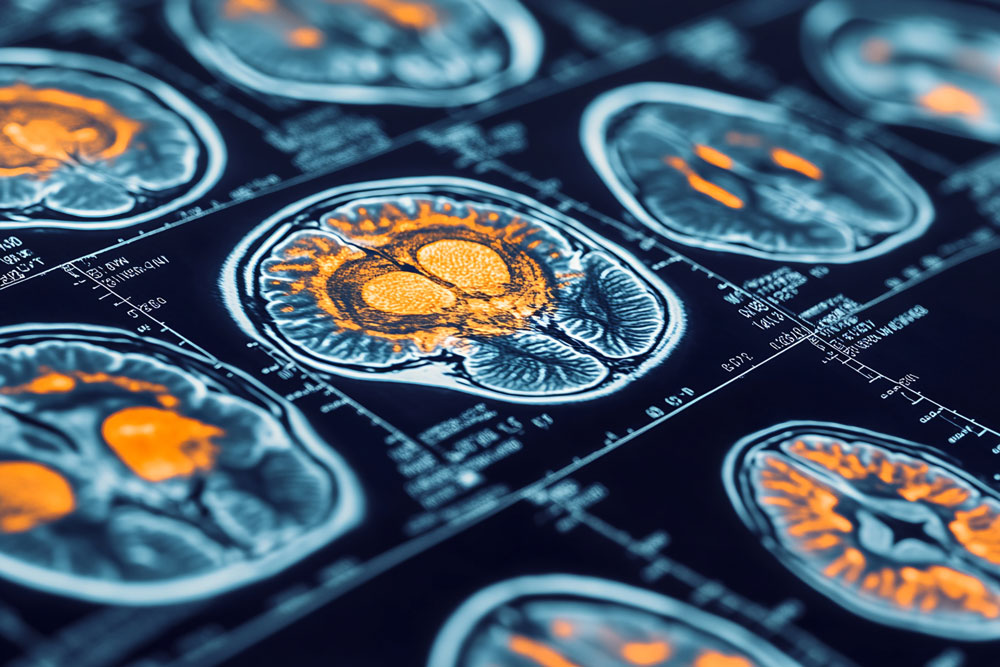
Potential side effects may include:
- Headache
- Muscle soreness
- Nausea
- Fatigue
- Temporary confusion
- Memory issues (short-term)